


Chronic Prostatitis & CPPS: Symptoms, Causes and Effective Treatments
Painful urination, persistent perineal discomfort, or testicular tension persisting despite repeated cycles of antibiotics represent a frequent and commonly misdiagnosed clinical scenario.
Chronic prostatitis is one of the most widespread urological conditions among men under 50, characterized by high rates of clinical misinterpretation and ineffective therapeutic strategies.
- In the vast majority of cases, there is no active bacterial infection.
- Symptoms are primarily driven by pelvic floor hypertonia and neuromuscular sensitization.
Clinical Evidence: Dynamics of Ultrasound-Guided Prostatic Infiltration
Chronic Prostatitis: Common Clinical Symptoms
The clinical spectrum of chronic prostatitis / chronic pelvic pain syndrome (CPPS) is remarkably varied and frequently overlaps with other urogenital conditions. Typical presentations include:
- Persistent perineal pain or tension, characteristically aggravated by prolonged sitting
- Dysuria or burning during micturition without documented bacteriological isolation
- Increased urinary frequency and urgency (daytime pollakiuria and nocturia)
- Testicular, penile, and groin discomfort
- Pain or burning during or following ejaculation
- Suprapubic heaviness and pelvic pressure
- Secondary erectile dysfunction associated with chronic pelvic discomfort and pain sensitization
Standard microbiological tests (urine culture and expressed prostatic secretion/semen culture) are routinely negative. The absence of isolated bacteria does not rule out active tissue inflammation or neuromuscular pathology.
Why Antibiotics Frequently Fail
A substantial majority of patients seek advanced specialist evaluation after completing multiple unsuccessful rounds of oral antibiotics. The primary reasons include:
- Absence of a true bacterial infection in 90-95% of chronic cases
- Presence of harmless commensal or environmental organisms that do not represent active uropathogens
- Myofascial and neuropathic origin of pain (pelvic floor spasm and pudendal nerve irritation), inherently unresponsive to antimicrobials
- Inability of systemic oral antibiotics to penetrate dense prostatic calcifications or blocked acini in therapeutic concentrations
- Disruption of gut microbiota and potential induction of antimicrobial resistance
This pathophysiological mechanism explains why recurrent antibiotic regimens fail to provide sustained relief.
The True Etiology: Pelvic Floor Dysfunction and Pudendal Nerve
Current international urological consensus recognizes CPPS as predominantly driven by complex pelviperineal neuromuscular dysfunction:
- Chronic myofascial hypertonia of the levator ani and pelvic floor musculature
- Tissue microischemia resulting from local vascular compression within contracted muscles
- Pudendal nerve entrapment or irritation along Alcock’s canal and its pelvic branches
- Neurogenic inflammation with peripheral and central sensitization of dorsal horn nociceptive pathways
Clinical Outcome: A self-perpetuating neuromuscular pain syndrome that continues to generate symptoms in the complete absence of bacterial pathogens.
What is CPPS (Chronic Pelvic Pain Syndrome)?
CPPS (classified as Category III by the National Institutes of Health – NIH) is defined by strict clinical criteria:
- Pelvic pain or urogenital discomfort persisting for at least 3 months within the preceding 6 months
- Negative standard microbiological cultures for conventional uropathogens
- Concomitant involvement of muscular, connective, and neurological pelvic structures
CPPS accounts for approximately 90% to 95% of all prostatitis diagnoses. Documented bacterial prostatitis (NIH Categories I and II) represents only 5% to 10% of clinical cases.
Accurate Diagnostic Protocol for Chronic Prostatitis
Establishing an accurate diagnosis requires a structured, multimodal clinical evaluation:
- Detailed clinical history using validated scoring tools (NIH-CPSI – Chronic Prostatitis Symptom Index)
- Urological and pelviperineal physical examination with precise trigger point mapping
- Fractionated microbiological cultures and advanced molecular PCR tests for atypical pathogens
- Dynamic high-resolution transrectal ultrasound to identify calcifications, fibrosis, and microvascular changes
- Functional assessment of pelvic floor muscle tone
Consult the complete protocol on exams and diagnostic methods for prostatitis →
Evidence-Based Treatments for Chronic Prostatitis
Optimal therapeutic management requires an individualized, multimodal protocol tailored to the patient’s phenotypic profile (UPOINT system):
- Targeted Ultrasound-Guided Prostatic Infiltrations: specialist procedure delivering high concentrations of active agents directly into calcified foci and inflammatory zones (Prof. Guercini protocol)
- Pelvic Floor Physical Rehabilitation: specialist manual therapy aimed at releasing myofascial trigger points and restoring muscle elasticity
- Neuropathic Pain Pharmacotherapy: synaptic modulators aimed at reducing central sensitization and nerve hyperreactivity
- Standardized Phytotherapy: high-titer plant extracts with documented anti-edema and anti-inflammatory properties
- Nutritional & Lifestyle Optimization: elimination of bladder irritants and restoration of balanced intestinal permeability
Read the guide on nutrition, diet and lifestyle guidelines for prostatitis →
When to Consult a Urological Specialist
Specialist second-opinion evaluation is strongly indicated in the following circumstances:
- Symptoms persisting for more than 3 months despite initial care
- Absence of lasting response or rapid relapse after systemic oral antibiotic therapy
- Significant interference of pelvic discomfort with daily work, emotional well-being, or sexual life
- A prolonged medical history of inconclusive examinations and conflicting diagnoses
Timely specialist intervention prevents chronification of pain pathways and secondary central sensitization.
Accreditation & Scientific Recognition
Prostatitis2000.org is one of the European clinical centers accredited by the international Prostatitis Foundation, serving as a global scientific benchmark for research and development of advanced diagnostic and therapeutic protocols in prostate and pelvic pain disorders.
Conclusion: A Complex Disorder with Established Clinical Solutions
Chronic prostatitis is not an untreatable condition; it requires moving beyond the outdated paradigm of simple transient bacterial infections by adopting:
- Thorough differential diagnosis between infectious, muscular, and neuropathic components
- Advanced ultrasound-guided clinical protocols for treatment-resistant cases
- Extensive specialist experience in treating chronic pelviperineal pain syndromes
This structured approach directly addresses the root causes of the disease, achieving long-term symptom resolution and restoring the patient’s quality of life.
Clinical Pathways and Comprehensive Guides
Scientific monographs and advanced treatments directed by Prof. Federico Guercini, Urologist & Andrologist in Rome.

Where Does Prostatitis Hurt? Mapping Pain Locations
From the perineal region to the testicles, groin, and rectum: complete clinical mapping of referred pain patterns.
Read the Full Guide →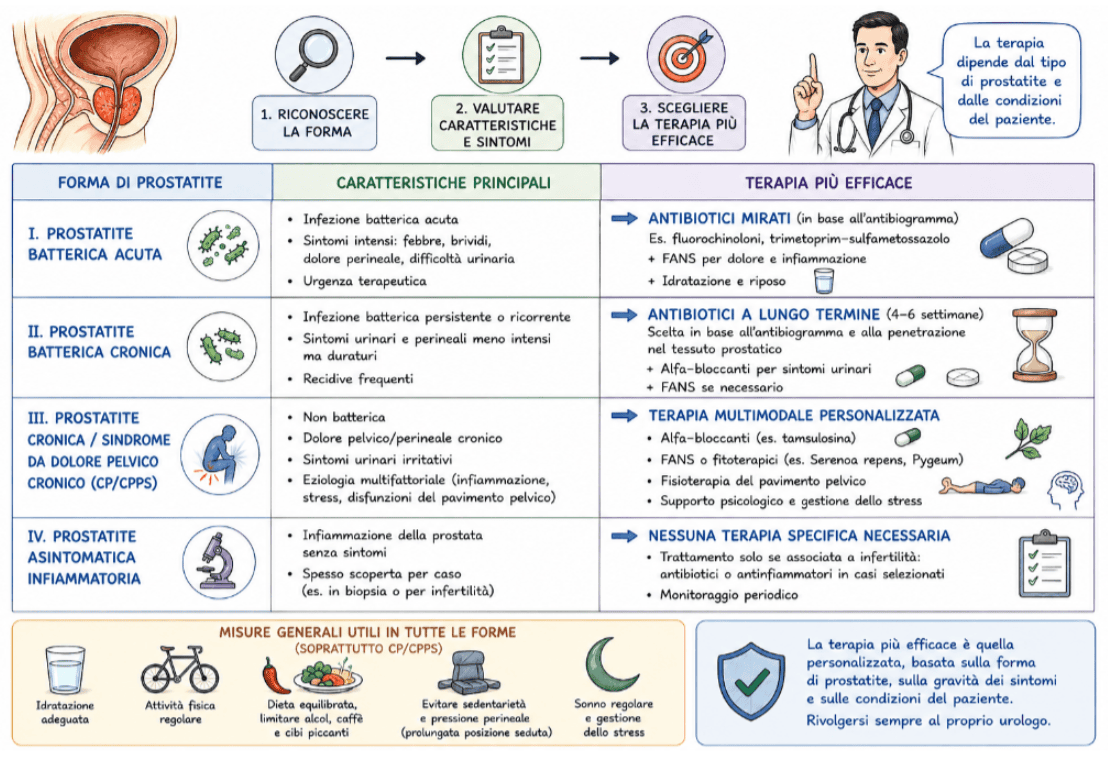
Most Effective Treatments for Prostatitis
Targeted antibiotics, alpha-blockers, anti-inflammatories, and phytotherapy: clinical efficacy and managing resistance.
Read the Full Guide →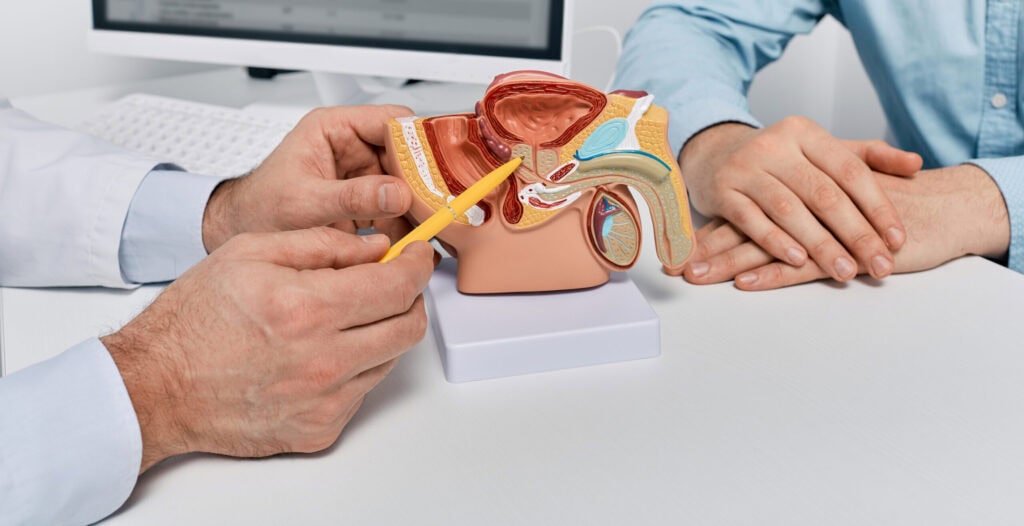
Ultrasound-Guided Prostatic Infiltrations in Rome
Advanced clinical protocol for the targeted delivery of therapeutic agents directly into prostatic calcifications and inflammatory foci.
Explore the Clinical Protocol →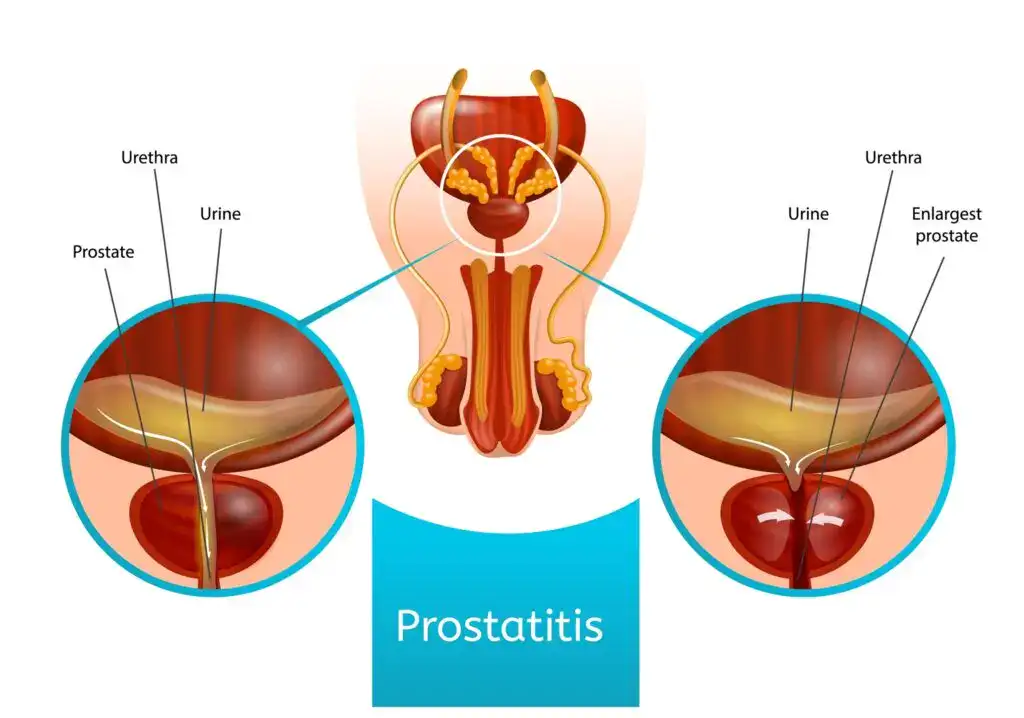
Pudendal Nerve Inflammation and Chronic Pelvic Pain
Specialist diagnostic evaluation for refractory pelvic pain: distinguishing pudendal neuralgia from pelvic floor muscle spasm.
Read the In-Depth Monograph →
Bacterial Biofilm and Prostatic Calcifications
The bacteria’s biological sanctuary: why chronic prostatitis resists standard antibiotics and how biofilms can be overcome.
Read the Full Monograph →